Interior & Exterior Design Tips for a Perfect First Impression
🏡 Exterior Design Tips 🏠 Interior Design Tips
Your blog category
🏡 Exterior Design Tips 🏠 Interior Design Tips

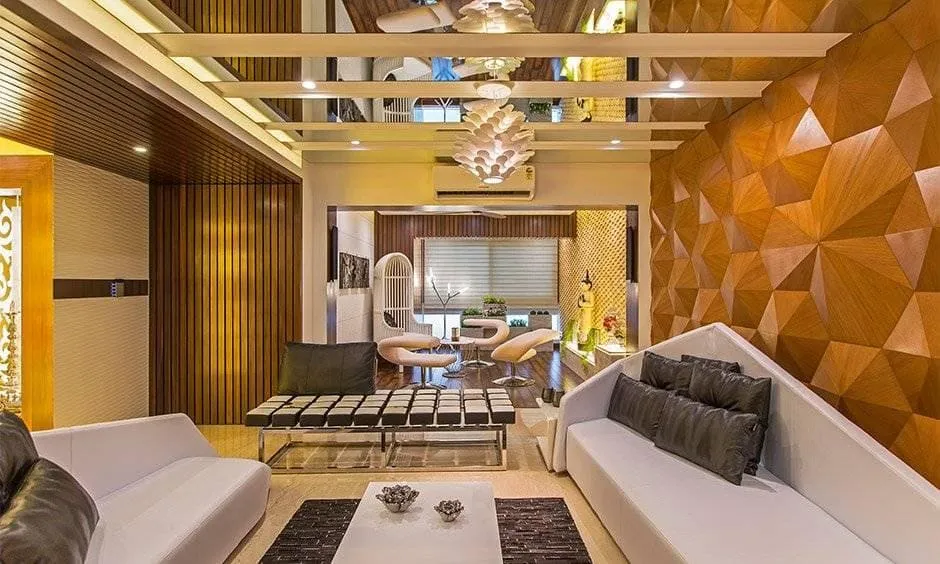
Living in a small home or apartment doesn’t mean you have to feel cramped. With the right design tricks, even the tiniest space can look more open, comfortable, and stylish. One of the best ways to make a room appear larger is by using light colors on walls and furniture. Shades like white, beige, or soft pastels reflect more light, giving an airy and spacious feel. Pair this with mirrors—placing a large mirror opposite a window can instantly double the sense of space by reflecting natural light. Another smart idea is choosing multifunctional furniture. For example, a bed with storage drawers, a sofa that can convert into a bed, or a dining table that folds against the wall helps you save space while keeping the room uncluttered. Speaking of clutter, organization is key. Too many items scattered around will always make a space feel smaller. Invest in hidden storage options like ottomans, floating shelves, or under-bed organizers to keep things neat. Lighting also plays a huge role. Instead of one heavy ceiling light, layer your lighting with wall sconces, floor lamps, or under-cabinet LEDs. This creates depth and warmth, making the room appear bigger. Finally, arrange furniture wisely—push larger items against the wall and keep pathways clear to allow smooth movement. Even using vertical space by adding tall shelves or hanging plants can draw the eye upward, making ceilings feel higher. By mixing these simple tricks—light colors, mirrors, smart furniture, and good lighting—you can turn any small space into a home that feels open, modern, and welcoming.
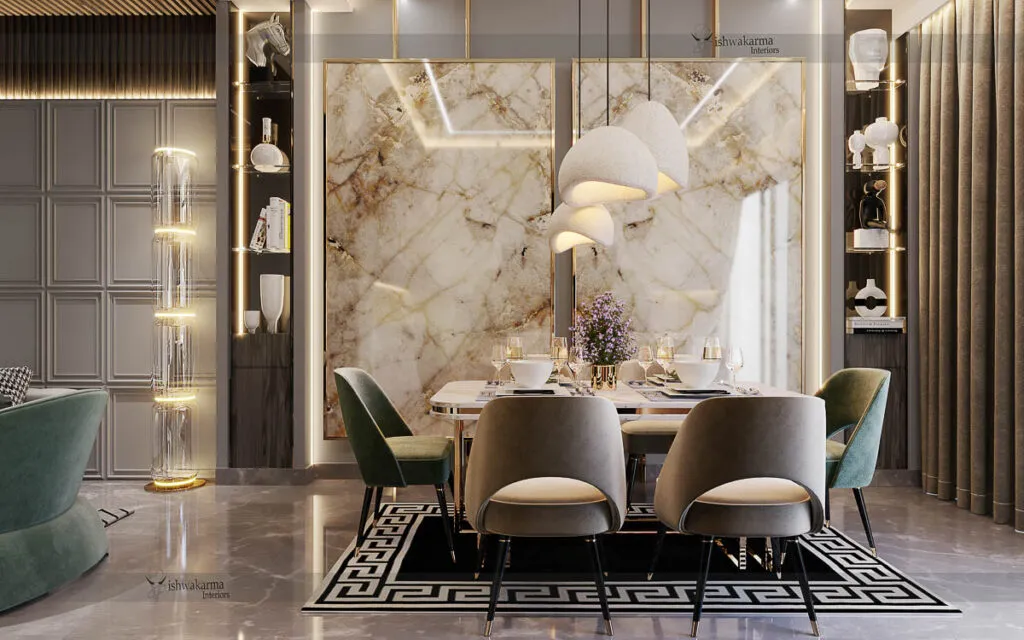
Building or designing a home is an exciting process, but many homeowners make common mistakes that can affect comfort, functionality, and even property value. One of the most frequent errors is poor space planning. People often focus too much on aesthetics without considering practical usage of space, which can lead to cramped rooms or awkward layouts. To avoid this, always work with a professional architect or interior designer who understands how to balance design with functionality. Another common mistake is ignoring natural light and ventilation. Homes that lack proper windows or airflow tend to feel dull and uncomfortable. The solution is to position windows strategically and include open spaces that bring in sunlight and fresh air. Similarly, choosing the wrong materials can lead to problems later—like flooring that wears out quickly or paint that fades too soon. It’s always worth investing in durable, high-quality materials from the start. Many people also make the mistake of overcrowding interiors with furniture and décor. While it’s tempting to fill every space, too much clutter makes a home feel smaller and less inviting. A minimal, well-organized setup is both elegant and practical. Another big design error is not planning for future needs—like additional storage, children’s rooms, or smart home upgrades. Thinking ahead can save a lot of renovation costs later. Finally, homeowners often ignore the importance of lighting design. Relying only on overhead lights creates a flat look, while a mix of ambient, task, and accent lighting adds warmth and depth to interiors. By being mindful of these mistakes and taking preventive steps, you can create a home that is not only stylish but also functional, long-lasting, and future-ready.
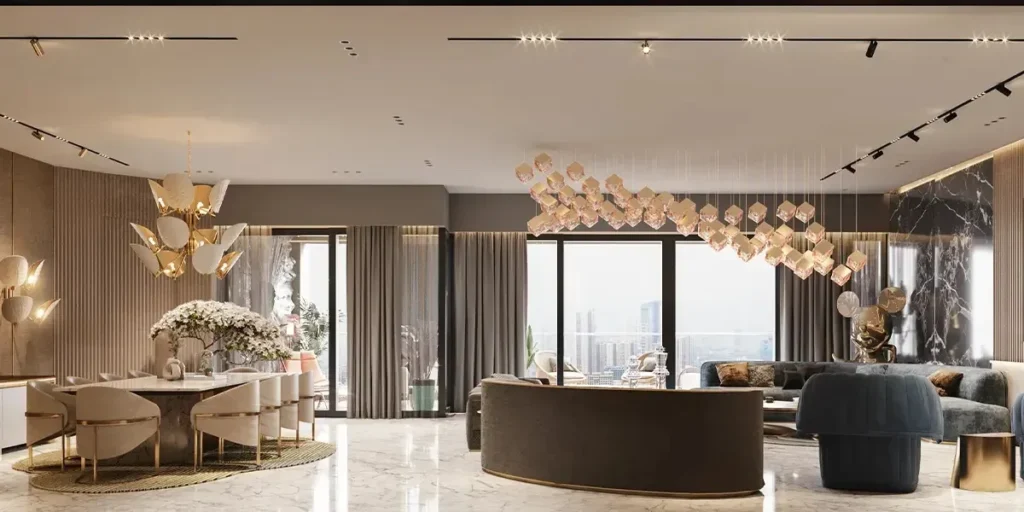
When it comes to enhancing the overall appeal and value of a property, luxury interior finishes play a crucial role. One of the most sought-after options is marble and granite flooring, as it gives a timeless elegance and durability that instantly upgrades any space. Similarly, premium wooden flooring adds warmth and sophistication, especially in bedrooms and living rooms, making the home feel both cozy and high-end. Another important aspect is designer lighting fixtures, such as chandeliers, pendant lights, and modern LED setups. These not only illuminate the interiors but also create a luxurious ambiance. To complement this, false ceilings with cove lighting are becoming a popular choice, adding depth and style to the interiors with a contemporary touch. Walls also make a strong visual impact, and high-end wall finishes like Italian plaster, textured paint, or premium wallpapers bring richness and character to the rooms. Along with this, modular kitchens and sleek wardrobes with glossy or acrylic finishes are highly preferred in modern homes, as they combine both functionality and style. Luxury is incomplete without well-designed bathrooms, and features such as rain showers, glass partitions, and marble countertops transform them into spa-like spaces. Finally, smart home features such as automated lighting, temperature control, and advanced security systems add a modern edge, making the property not only stylish but also more valuable in the real estate market.

Fix Your Budget Choose the Right Location Hire the Right Professionals Create a House Plan Get Legal Approvals Start Construction Finishing & Interiors Supervision & Quality Check
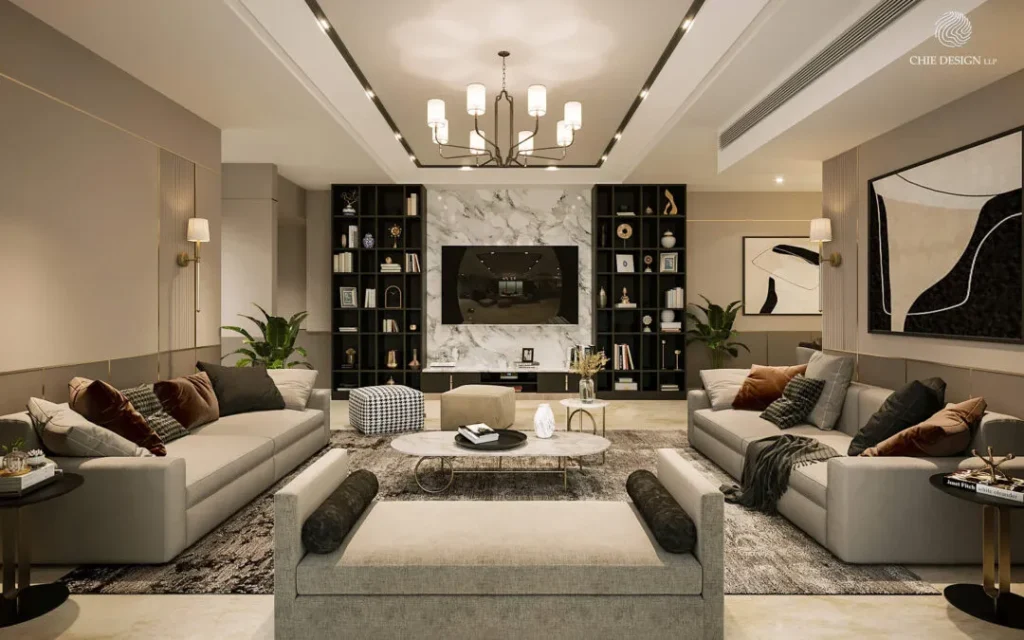
In today’s world, villa and bungalow designs are evolving into a perfect blend of modern aesthetics and traditional charm. Homeowners no longer see their houses as just living spaces, but as a statement of luxury and lifestyle. Large glass windows and sliding doors are becoming very popular, as they allow maximum natural light and ventilation, making the interiors feel more open and spacious. Sustainable architecture is another trend that is gaining momentum. Features like green roofs, solar panels, and rainwater harvesting systems are making villas more eco-friendly and energy-efficient. At the same time, minimalist and clean designs are dominating, where the concept of “less is more” creates elegant and clutter-free spaces. Additionally, the integration of smart home technology is transforming modern villas and bungalows. Automated lighting, advanced security systems, and voice-controlled features are adding comfort, convenience, and safety to luxury living. All these trends together are shaping homes that are stylish, sustainable, and future-ready.

When it comes to interior design, choosing the right materials is just as important as selecting the layout or color scheme. High-quality, durable materials not only enhance the beauty of your space but also ensure that your interiors remain stylish and functional for many years. Here’s a complete guide to help you make the right choices: 1. Understand the Usage of Each Space Different areas of your home have different needs. 2. Prioritize Durability Over Looks A material might look trendy but if it doesn’t last, it becomes a bad investment. For example: 3. Maintenance and Cleaning Long-lasting interiors are not just about durability but also about how easy it is to maintain them. 4. Budget vs. Quality Balance Cheap materials may save money initially but require frequent replacement. A slightly higher investment in quality materials reduces costs in the long run. For example: 5. Eco-Friendly and Sustainable Choices Sustainability is a growing trend in modern interiors. Materials like bamboo, reclaimed wood, natural stone, and recycled glass are eco-friendly options that also last long. 6. Seek Expert Guidance Interior designers or material experts can suggest the best options based on your budget, lifestyle, and design preference. ✅ Conclusion:The right materials not only enhance the look of your interiors but also ensure long-term durability and value for money. By focusing on quality, sustainability, and functionality, you can create interiors that remain elegant and strong for years to come.
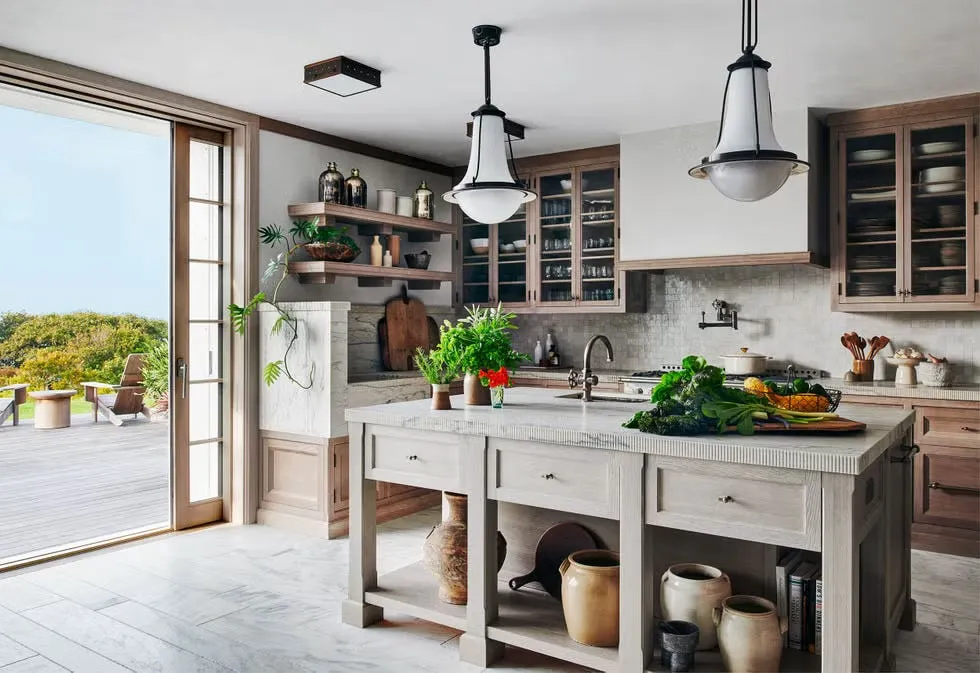
A kitchen is no longer just a space for cooking—it has become the heart of the home where families gather, conversations happen, and creativity flows. In 2025, modular kitchen designs are evolving to combine aesthetic appeal with maximum functionality, making everyday cooking more efficient and enjoyable. Why Choose a Modular Kitchen? Popular Modular Kitchen Layouts in 2025 Trending Design Elements Final Thoughts A modular kitchen is not just about good looks—it’s about making your daily life easier, organized, and stylish. Whether you are a passionate cook or someone who enjoys family dinners, investing in a modular kitchen design ensures your home remains functional and future-ready.
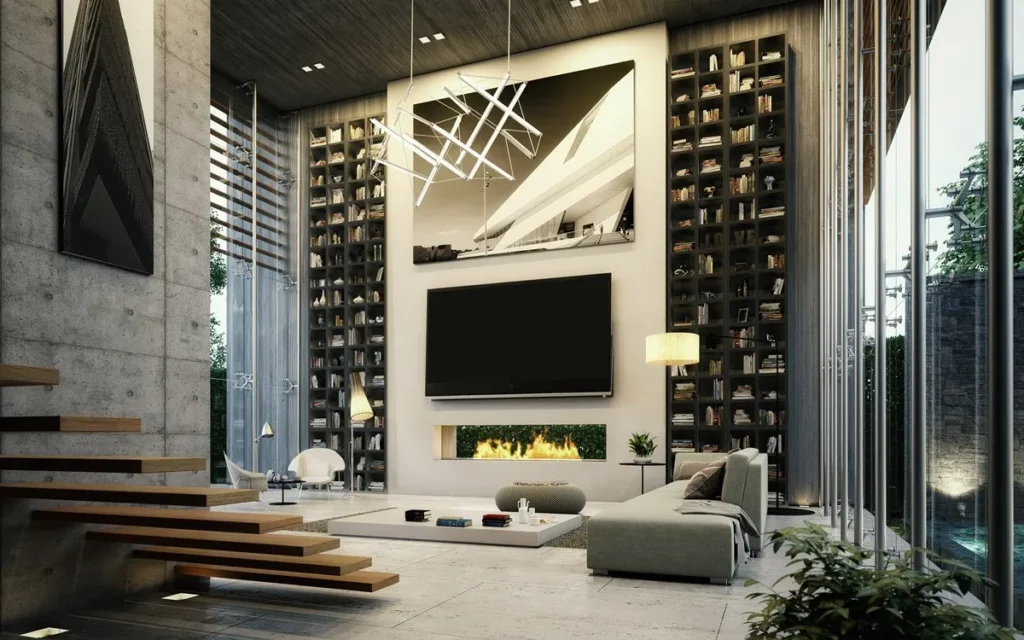
✅ Step 1: Set a Realistic Budget Before starting, calculate how much you are willing to spend. Always keep 10–15% of the budget aside for unexpected expenses. ✅ Step 2: Prioritize Essential Renovations Focus on areas that need immediate attention—such as kitchen, bathroom, flooring, or structural repairs—before moving to luxury additions. ✅ Step 3: Choose Affordable Yet Durable Materials ✅ Step 4: Reuse & Upcycle ✅ Step 5: Hire the Right Professionals Look for experienced contractors who provide transparent quotations. Sometimes hiring an interior designer actually saves money because they help you avoid costly mistakes. ✅ Step 6: Energy-Efficient Upgrades Invest in LED lights, energy-saving appliances, and better insulation. They reduce electricity bills and save you money in the long run. ✅ Step 7: Shop Smart 🏡 Final Thoughts A cost-effective renovation is not about cutting corners—it’s about smart planning and creative solutions. With the right balance of design, quality, and budget, you can turn your home into a modern, functional, and beautiful space.
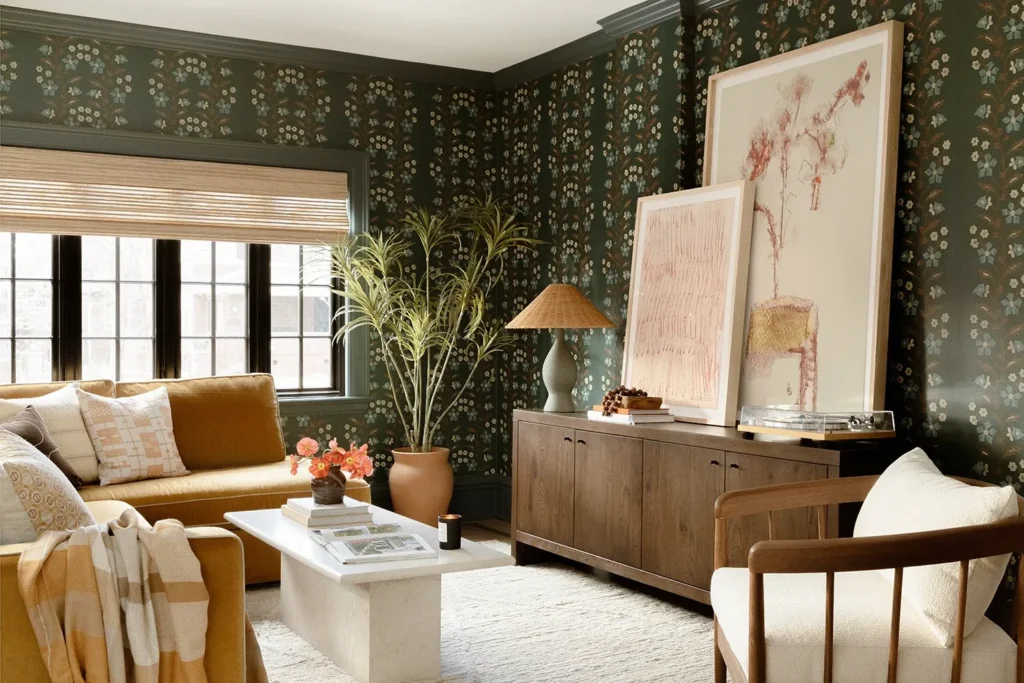
Designing a dream home is not just about comfort, it’s about creating a space that reflects your personality and lifestyle. With 2025 bringing fresh interior design trends, homeowners are embracing styles that are both functional and stylish. From sustainable materials to smart technology, here are the top 10 modern interior design ideas you should consider for your home this year. 1. Sustainable & Eco-Friendly Materials 2. Open Concept Living Spaces 3. Smart Home Technology 4. Minimalist Furniture 5. Biophilic Design 6. Bold Accent Walls 7. Multi-Functional Spaces 8. Natural Light & Large Windows 9. Luxury Bathrooms 10. Personalized Touches ✅ Conclusion:Modern interior design in 2025 is all about sustainability, technology, and personal expression. By blending functionality with style, you can create a home that is both timeless and trend-setting. Whether you love minimalist charm or luxury details, these ideas will inspire you to design the home of your dreams.